
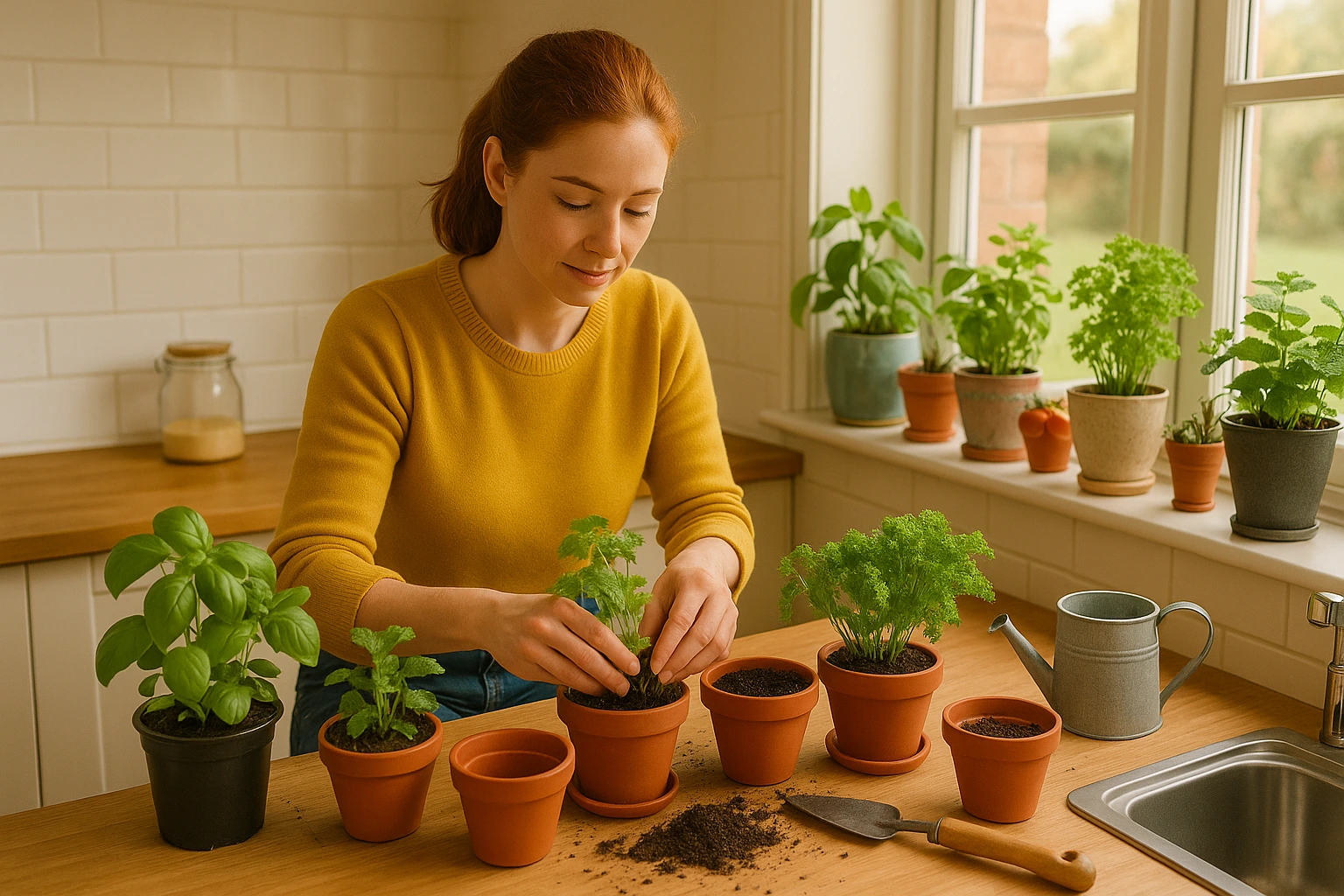
I’ve lost count of how many grocery store herb plants I’ve killed over the years. You know the scene: you bring home a beautiful, lush basil or cilantro plant, full of promise. Within a week, it’s wilted, yellow, and dying. I used to think I just had a black thumb when it came to herbs, but after years of trial and error (mostly error), I’ve cracked the code. These plants aren’t doomed—they just need a completely different approach than what you’d expect.
Why Grocery Store Herbs Die So Quickly
When I first started trying to keep these plants alive, I was baffled. How could something so green and healthy-looking deteriorate so fast? It turns out there are several reasons these herbs seem to have a death wish, and understanding them changed everything for me.
They’re not meant to be houseplants. This was my first misconception. Grocery store herbs are grown as a harvestable crop, not as long-term plants. They’re cultivated in ideal greenhouse conditions with perfect humidity, temperature, and light levels. When you bring them into your home, it’s like taking a tropical fish and plopping it into a cold lake. The shock alone is traumatic.
Severe overcrowding is the silent killer. Pick up one of those pots and really look at it. I remember the first time I actually counted the seedlings in a single basil pot—there were over 20 individual plants crammed into a 4-inch container. These plants are competing viciously for water, nutrients, and root space. In nature, you’d never find this density. They’re essentially strangling each other, which is why they decline so rapidly once they’re not in optimal greenhouse conditions anymore.
They’re root-bound and stressed. When I started unpotting these herbs to investigate, I was shocked by what I found. The roots form a dense, tangled mat with nowhere to go. They’ve often been in that tiny pot for weeks, circling around and around. A root-bound plant can’t efficiently take up water or nutrients, no matter how much you water it.
The transition shock is real. Going from a humid, perfectly lit greenhouse with consistent temperatures to your kitchen windowsill is brutal. Indoor air is typically much drier, light levels are lower, and temperature fluctuates. I’ve watched herbs literally wilt within 48 hours of bringing them home, and it’s this environmental shock that does it.
They’re already exhausted. These plants have been pushed hard to produce maximum foliage as quickly as possible. They’ve been fertilized heavily and grown under intense light to create that gorgeous, bushy appearance. By the time you buy them, they’re often at the end of their productive life cycle in that container.
How To Make Them Last Longer (The Quick Fix Method)
If you just want to extend the life of your herbs without any fuss, these strategies will buy you several more weeks of fresh harvests.
Repot immediately into a larger container. Don’t wait even a day. I use a pot that’s at least 6-8 inches in diameter—dramatically bigger than what they come in. Use good quality potting soil with excellent drainage. The moment I started doing this, my herb survival rate tripled. The extra soil provides more nutrients and water retention while giving roots room to spread out.
Water correctly, not frequently. This took me forever to learn. Herbs hate being waterlogged, but they also hate drying out completely. I check the soil daily by sticking my finger an inch deep. If it’s dry, I water thoroughly until water runs out the drainage holes (which are non-negotiable—your pot must have drainage). With basil and cilantro, I water every day or two. With rosemary and thyme, I wait until the soil is quite dry.
Provide maximum light. I cannot overstate this. Herbs need at least 6 hours of bright light daily, and more is better. I put mine in the brightest south-facing window I have. If your windows aren’t great, invest in a simple grow light. I resisted this for years, thinking it was overkill, but it’s been transformative. You can get affordable LED grow lights that work beautifully.
Acclimate them gradually. If possible, don’t immediately move your herbs from the greenhouse-like grocery store to your home. Set them in a bright spot for a few days before you start harvesting heavily. This gives them time to adjust. I know this sounds fussy, but it genuinely helps.
Start harvesting right away, but gently. This seems counterintuitive, but herbs need pruning to stay healthy. Just be gentle at first—take only about 10-20% of the plant in the first week. This encourages bushier growth and prevents the plant from bolting (going to seed).
How To Get Multiple Plants From One Grocery Store Herb
This is where things get exciting. That $3.99 herb pot can become 10-20 individual plants with a little effort. I do this with every herb I buy now, and my windowsill garden has exploded.
The division method works best for most herbs. Here’s my step-by-step process:
Gently remove the entire root ball from the pot. You’ll see it’s packed with individual seedlings. I take the root ball to my sink and gently run lukewarm water over it while carefully separating the plants. The water helps loosen the soil and untangle the roots without damaging them too much. Don’t worry about breaking a few roots—it’s impossible to avoid and the plants will recover.
I aim to create groups of 2-4 plants rather than separating every single seedling. Individual seedlings are too fragile and stressed, but small groups are more resilient. With a large basil pot, I usually end up with 6-8 plantable groups.
Plant each group in its own 4-6 inch pot with fresh potting soil. Water them well and put them in bright, indirect light for the first few days while they recover. I don’t fertilize for the first two weeks—they need to focus on root establishment first.
The success rate varies by herb type. I’ve had the best luck with basil, cilantro, parsley, and mint. These handle division really well and bounce back quickly. I’ve found oregano and thyme are also pretty forgiving. Rosemary is trickier—the plants are usually larger and there are fewer of them in the pot, so division is harder.
Timing matters. I do this division as soon as I get home from the store. The longer those plants sit crowded together, the more stressed they become. Fresh plants handle the division shock much better than ones that have been struggling for a week.
For woody herbs, try propagation instead. Rosemary, thyme, and sage don’t divide well, but they propagate beautifully from cuttings. I take 4-6 inch cuttings from the tips, remove the lower leaves, and stick them in water or directly in moist potting soil. I’ve had incredible success with this method—one rosemary plant has given me five new plants over the past year.
How To Care For Them Properly Long-Term
Once you’ve repotted and divided your herbs, they need proper ongoing care to thrive. This is where I had to unlearn a lot of houseplant habits.
Basil needs warmth and humidity. This is my most-grown herb, and I’ve learned it’s quite particular. Basil hates temperatures below 50°F and will sulk in cold drafts. I keep mine away from air conditioning vents. It also loves humidity, so I mist it every few days or keep it near other plants to create a more humid microclimate. Basil needs consistent moisture—let the top inch of soil dry between waterings, but don’t let it wilt. Feed it every two weeks with a balanced liquid fertilizer diluted to half strength.
Cilantro is fast-growing and bolt-prone. This herb has broken my heart more than any other. Cilantro has a short life cycle and wants to flower and set seed (which is coriander). To slow this down, I keep it cool (it prefers temperatures around 60-70°F) and harvest frequently. It needs consistent moisture and good drainage. I’ve learned to plant new cilantro every 3-4 weeks because individual plants only last about 2-3 months before bolting. When I see flower stalks forming, I pinch them off immediately, though eventually the plant wins this battle.
Parsley is actually quite easy. Both flat-leaf and curly parsley are more forgiving than their delicate appearance suggests. They like consistent moisture and can tolerate slightly lower light than basil. I water when the top inch is dry and fertilize monthly. Parsley is biennial, meaning it grows leaves the first year and flowers the second. I get a good 6-12 months of harvests from divided parsley plants.
Mint is indestructible (and invasive). Mint is the only herb where I actually keep all the plants together in one pot—it loves being crowded. It needs more water than almost any other herb; I water it frequently and it tolerates wet feet better than most. Mint spreads aggressively, so I only grow it in containers, never in garden beds. It can handle lower light than other herbs. I cut it back ruthlessly every few weeks, which keeps it bushy and prevents flowering.
Thyme needs neglect. I killed so much thyme before I realized I was loving it to death. Thyme is a Mediterranean herb that wants poor soil, infrequent water, and lots of sun. I let the soil dry out significantly between waterings. I use cactus potting mix or add extra perlite to regular potting soil for drainage. Thyme hates humidity and wet leaves, so I never mist it. It’s slow-growing but incredibly long-lived if you don’t overwater.
Rosemary is tricky indoors. I won’t lie—rosemary is the hardest common herb to keep alive indoors. It needs maximum sunlight (I use a grow light), cool temperatures (it prefers 55-70°F), good air circulation, and infrequent watering. The soil should dry out completely between waterings. High humidity and poor air circulation lead to powdery mildew, which I’ve battled many times. I’ve had the most success keeping rosemary outside during warm months and only bringing it in for winter.
Oregano is low-maintenance. Similar to thyme, oregano prefers drier conditions and lots of light. I water when the soil is quite dry and feed sparingly. It grows vigorously and handles frequent harvesting well. The flavor actually intensifies when the plant is slightly stressed, so don’t coddle it.
Chives need division. Chive plants grow in clumps that get denser over time. I divide them every year or so, which reinvigorates the plant. They need regular moisture and can tolerate partial shade better than most herbs. I cut them back to about 2 inches from the soil, and they regrow quickly.
How To Harvest Herbs Without Killing The Plant
This was perhaps the most important skill I learned. Improper harvesting can destroy a thriving herb in a matter of weeks.
The cardinal rule: never remove more than one-third of the plant at once. This is hardwired into my brain now. Taking too much foliage stresses the plant beyond recovery, especially if it’s still establishing itself. I aim for about 20-25% in a single harvest, which feels conservative but keeps plants vigorous.
Harvest from the top down, not the bottom up. This encourages bushy growth rather than tall, leggy stems. I pinch or cut just above a leaf node (where leaves attach to the stem). This prompts the plant to send out two new stems from that point. Over time, this creates a full, productive plant instead of a sparse, straggly one.
For basil, pinch off flower buds religiously. The moment basil flowers, it puts all its energy into seeds and leaf production plummets. The leaves also become bitter. I check my basil plants every few days and pinch out any flower buds I see. This single practice has extended my basil plants’ productive lives by months.
Use clean, sharp scissors or pruners. Ragged tears invite disease and pests. I keep dedicated herb scissors that I wipe with rubbing alcohol between plants. This seems obsessive, but I learned this lesson after spreading an aphid infestation from one plant to another.
Harvest in the morning. The essential oils that give herbs their flavor are most concentrated in the morning after the dew has dried but before the hot sun hits them. This isn’t always practical, but when I can harvest in the morning, the flavor difference is noticeable.
For woody herbs like rosemary and thyme, don’t cut into old wood. These plants won’t regenerate from old, woody stems. I only harvest the green, new growth. Going into the woody part can permanently damage the plant’s ability to grow back.
With cilantro and parsley, harvest outer stems first. These plants grow from the center, so I take the outermost, oldest stems and leave the young center growth to continue developing. I cut stems at the base, near the soil line.
For mint, oregano, and basil, harvest entire stems. Rather than picking individual leaves (which is tedious and can stress the plant), I cut entire stems back to just above a leaf node. This gives me more harvest and encourages branching.
Don’t harvest weak or stressed plants. If a plant is struggling—yellowing, wilting, or just looking sad—I let it recover fully before taking any leaves. Harvesting from a stressed plant is like asking someone with the flu to run a marathon.
Troubleshooting Common Problems
Even with proper care, issues arise. Here’s what I’ve learned from my many mistakes:
Yellow leaves usually mean overwatering. This is the most common problem I see and the one I struggled with most. If the lower leaves are yellowing and the soil is damp, cut back on water and improve drainage. I’ve saved plants by repotting into a pot with better drainage holes and adding more perlite to the soil.
Leggy, stretched growth means insufficient light. There’s no way around this—move the plant to brighter light or add a grow light. I tried to make herbs work in dim corners for years, and they simply cannot. They’ll survive but never thrive.
Brown, crispy edges indicate underwatering or low humidity. This shows up most often on basil and mint. I increase watering frequency and mist daily, or move the plant to a naturally more humid spot like the bathroom (if there’s enough light).
White powdery coating is powdery mildew. This fungal issue comes from high humidity combined with poor air circulation. I increase air circulation with a small fan, reduce humidity, and remove affected leaves. Spacing plants further apart helps prevent this.
Tiny bugs are usually aphids or spider mites. I’ve dealt with both extensively. I spray plants with a strong stream of water to dislodge them, then follow up with insecticidal soap or neem oil spray every few days until they’re gone. Prevention is easier—I regularly inspect plants and catch infestations early.
Sudden wilting despite moist soil suggests root rot. This is heartbreaking because it’s often too late by the time you notice. Overwatering and poor drainage cause roots to suffocate and rot. I sometimes try repotting into fresh, dry soil and cutting back on water drastically, but the success rate is low. Prevention through proper watering is key.
The Bigger Picture: From Survival To Thriving
Looking back, my journey with grocery store herbs taught me that these plants aren’t disposable. With the right approach, that $4 basil pot becomes months or even years of fresh herbs. I have oregano plants that started as grocery store purchases three years ago. My kitchen windowsill and balcony are now filled with thriving herbs that started their lives crammed in those little plastic pots.
The key is changing your mindset. These aren’t short-term garnishes—they’re living plants that, given proper care, will reward you abundantly. Yes, it takes some effort to divide, repot, and maintain them. But once you’re in the rhythm, it’s incredibly satisfying. There’s something deeply pleasing about snipping fresh basil for dinner from a plant you rescued and nurtured.
Start with one or two herbs that you actually use regularly. Master those, then expand. I began with basil (which I use constantly) and parsley. Now I maintain eight different herbs year-round, and the investment of time and money is minimal compared to constantly buying fresh herbs at the store.
Your grocery store herbs can absolutely thrive. They just need you to understand where they came from, what they need, and how to harvest them sustainably. Give them space, light, proper water, and regular pruning, and they’ll transform from that sad, dying pot into a productive herb garden that keeps giving. Trust me—if I could figure this out after killing dozens of herbs, anyone can.