
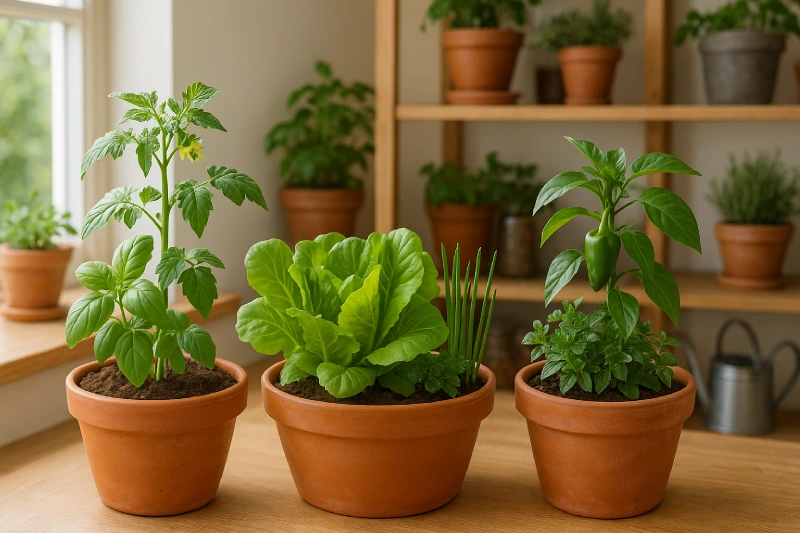
Growing herbs and vegetables together indoors is one of the most rewarding ways to transform limited space into a continuous source of fresh, living produce. The idea is simple, yet the practice demands precision. Indoor systems remove the natural checks and balances of wind, rain, and soil biology, placing complete responsibility on the grower to create a stable, productive ecosystem within the confines of a pot or planter. When it’s done correctly, the results are remarkable — lush miniature gardens that deliver constant harvests, superior flavour, and a balance that mirrors outdoor ecology on a small, controlled scale.
At the core of successful indoor companion planting lies the principle of compatibility. Plants must share not only physical space but also light intensity, temperature range, moisture tolerance, and nutrient needs. In a pot, their roots intertwine, and any imbalance in water or nutrients quickly affects all residents. The grower’s role is to understand how each species behaves in a confined root zone — which plants dominate, which remain compact, and which contribute to overall health through pest resistance or nutrient support. It’s a delicate balance, yet one that can be mastered through careful observation and considered pairing.
The Science of Compatibility
Indoor gardening magnifies the natural dynamics between plants. Herbs such as basil, chives, and parsley release aromatic oils that can deter pests even in a contained environment, while leafy vegetables like lettuce, spinach, and chard thrive alongside them in similar moisture and nutrient conditions. The trick is to pair plants with comparable root depths and growth speeds. For example, combining a deep-rooted vegetable such as dwarf tomato with shallow herbs like basil and oregano ensures that each occupies its own vertical niche within the soil profile, reducing direct competition for resources.
Root structure plays a decisive role in harmony. Fibrous-rooted greens such as spinach coexist easily with fine-rooted herbs like chives because they occupy separate zones of the medium. Tap-rooted species like small carrots or radishes, however, can disturb neighbouring herbs when they expand, so these are best placed at the pot’s edge where the soil remains slightly drier. Understanding how roots behave is as vital as knowing how leaves respond to light. In confined containers, root overcrowding can rapidly deplete oxygen, leading to slowed growth or root rot. Regular loosening of the top layer and use of a well-aerated mix mitigate this issue effectively.
Choosing Containers and Medium
Indoor mixed planting depends heavily on the right container. Plastic and glazed ceramic hold moisture well, ideal for thirsty greens and herbs like basil and parsley. Porous terracotta breathes, preventing waterlogging but increasing the need for attentive watering. A pot diameter of at least 30 centimetres and depth of 25–30 centimetres gives sufficient room for roots to develop without constriction. Drainage holes are non-negotiable. A reservoir tray beneath helps maintain humidity but should never allow the pot to sit in stagnant water.
The growing medium must balance moisture retention with aeration. A professional-grade potting mix composed of roughly 40% compost, 30% coconut coir or peat-free fibre, and 30% perlite or vermiculite provides both structure and drainage. For nutrient stability, incorporate a slow-release organic fertiliser at the start, such as worm castings or well-rotted compost, and supplement with liquid feed every two weeks once active growth begins. Unlike outdoor beds, containers lack the microbial diversity that naturally replenishes nutrients, so small, regular doses are better than heavy feeding.
Maintaining consistent pH between 6.0 and 6.5 keeps both herbs and vegetables content. Herbs like thyme and oregano prefer slightly leaner, alkaline soil, whereas vegetables such as peppers and tomatoes appreciate balanced acidity. When mixing these groups, aim for a neutral blend and adjust individual preferences through feeding rather than altering soil composition.
Lighting and Temperature Control
Light is the lifeblood of indoor gardens. Herbs and vegetables grown together need at least twelve to fourteen hours of bright light daily to achieve healthy, compact growth. South-facing windows can suffice for winter-hardy greens and herbs in spring and summer, but supplemental LED grow lights ensure uniform performance year-round. A full-spectrum lamp positioned 20–30 centimetres above the canopy recreates the balance of natural sunlight, promoting strong stems and vibrant leaf colour. The goal is to provide intensity without overheating; LEDs excel because they emit minimal radiant heat.
Temperature consistency between 18°C and 22°C suits most combinations. Sudden fluctuations can cause bolting in lettuce or leaf drop in basil. Gentle air movement from a small fan prevents fungal issues, especially where containers are densely planted. Humidity around 50–60% keeps leaf tissue supple without encouraging mould. In winter, avoid placing pots near cold windows or heating vents where extremes of temperature or airflow can stress plants.
Managing Moisture and Feeding
Water management is the difference between success and failure in mixed containers. Herbs generally prefer slightly drier conditions than most vegetables, but the right soil structure can satisfy both. The top two centimetres should dry slightly between waterings to protect aromatic herbs, while the lower layers retain enough moisture for vegetable roots. Self-watering containers or wick systems can balance this naturally. In traditional pots, water thoroughly until it drains freely, then wait until the surface feels dry before repeating. Avoid frequent light watering, which encourages shallow rooting and uneven moisture levels.
Nutrient competition must also be managed carefully. Fast-growing leafy vegetables draw nitrogen rapidly, which can lead to excessive softness in herbs and reduced aromatic oil production. To counter this, alternate between high-nitrogen feeds during vegetative growth and potassium-rich fertilisers once fruiting vegetables begin to flower. Monthly top-dressing with compost or organic worm tea maintains microbial health, preventing nutrient lockout — a common problem in enclosed containers.
Proven Combinations for Indoor Success
Some plant pairings have been repeatedly proven to perform exceptionally well indoors, both in soil and hydroponic systems. These combinations share similar growth requirements, allowing the grower to maintain uniform care without constant adjustment.
Tomatoes and Basil
This is perhaps the most reliable indoor partnership. Compact cherry or patio tomato varieties form a tall central plant, while basil fills the surrounding space. The two share identical warmth and light preferences, and basil’s volatile oils deter whitefly and aphids. Use a deep pot with a sturdy stake for the tomato and prune basil frequently to encourage airflow. Feeding with a tomato-specific fertiliser benefits both species.
Peppers with Oregano or Thyme
Compact sweet peppers or chillies combine perfectly with low-growing Mediterranean herbs. Oregano acts as a living mulch, keeping the soil surface cool and discouraging fungal gnats. The herbs thrive in the same warm, bright environment, and occasional drying between waterings enhances flavour concentration. This mix performs best under strong lighting where both can photosynthesise efficiently.
Lettuce with Chives and Parsley
Leafy vegetables and soft herbs enjoy similar moisture and nutrient levels, making this one of the easiest combinations for beginners. Chives deter aphids naturally, and parsley’s upright habit allows lettuce to spread freely around its base. In a wide trough or rectangular planter, stagger the lettuce and herbs in alternating rows. Harvesting outer leaves first encourages continuous growth.
Spinach with Coriander
Both crops prefer cooler indoor zones away from direct heat. Coriander’s upright growth shades spinach slightly, preventing premature bolting. They thrive in moderate light with steady moisture. Replace the coriander every few weeks as it completes its life cycle, allowing spinach to continue producing.
Radishes with Dill or Basil
In deep pots or hydroponic towers, quick-maturing radishes occupy the root zone while herbs dominate above. Because radishes mature in under four weeks, they can be harvested without disturbing the herbs. Dill adds height and aroma to otherwise plain green arrangements.
Combinations to Avoid
Certain herbs and vegetables simply do not share space peacefully. Mint, for instance, spreads through aggressive rhizomes that overwhelm neighbours even in large containers; it belongs in isolation. Fennel releases allelopathic compounds that inhibit nearby growth, and it’s notorious for stunting basil and greens. Sage prefers drier, less fertile conditions than most indoor vegetables and becomes woody or diseased in humid air. Keep these plants in separate pots to avoid imbalance.
Strongly aromatic herbs can also interfere with the delicate flavour of neighbouring crops when grown in confined indoor air. For example, rosemary’s resinous oils can coat nearby leaves, subtly altering the taste of salads if ventilation is poor. Strategic placement — not immediate proximity — solves this problem.
Pruning, Harvesting, and Growth Management
Regular pruning is essential in mixed containers. Without it, vigorous species dominate, starving slower growers of light. Herbs such as basil, parsley, and coriander respond well to tip-pruning, producing denser foliage and allowing more light penetration to lower leaves. Leafy vegetables should be harvested by removing outer leaves first, leaving central growth intact. This “cut-and-come-again” approach maintains steady productivity without exhausting the plants.
Air circulation is critical in dense plantings. Every few weeks, rotate the container to ensure even light exposure and prevent plants from leaning towards the source. Remove any yellowed or crowded leaves to reduce humidity buildup. Where fruiting vegetables are involved, manual pollination using a soft brush or gentle tapping ensures reliable fruit set indoors.
Troubleshooting Common Problems
Even well-balanced combinations can encounter stress under indoor conditions. If herbs develop pale leaves while vegetables remain dark green, nitrogen is being consumed faster than it’s replenished. Apply a half-strength organic feed to restore balance. If lower leaves of vegetables yellow while herbs remain vibrant, waterlogging is the likely cause — loosen the soil, check drainage, and reduce watering frequency.
Fungal gnats often appear in consistently damp compost. A top dressing of coarse sand or fine gravel disrupts their breeding cycle. Powdery mildew, another common indoor issue, arises from stagnant air or overcrowding. Increasing airflow and spacing, along with removing affected foliage, usually resolves it without chemicals.
In hydroponic systems, fluctuating nutrient solution pH can stress sensitive herbs. Regular monitoring and maintaining levels around 6.0–6.2 keeps growth consistent. Overfeeding in these systems manifests as tip burn on lettuce and dark spotting on basil — both corrected by diluting the nutrient mix.
Seasonal Adjustments and Crop Rotation Indoors
While indoor systems operate year-round, plants still respond to seasonal light shifts. During winter, growth slows naturally; overfeeding or overwatering during this period invites disease. Instead, reduce fertiliser concentration and allow cooler night temperatures to rest the plants slightly. As spring light increases, replant or refresh the soil to remove salt buildup and stimulate new growth.
Rotating crops even in containers prevents nutrient depletion. After harvesting fruiting vegetables, replace them with leafy greens or legumes that require less phosphorus. Herbs can persist year-round, but every six months, trim roots lightly and refresh the upper third of soil to keep them vigorous. For hydroponic setups, a complete nutrient solution change every four to six weeks maintains equilibrium.
Advanced Indoor Growing Strategies
Experienced growers often apply advanced methods to stabilise microclimates within a single container. Layered mulching is one technique: a thin layer of fine gravel or coir fibre on the surface moderates evaporation and prevents soil splash during watering. In deeper pots, partial root zoning can be achieved by layering soil types — heavier compost at the bottom for moisture-loving vegetables and lighter, sandier mix near the top for herbs. This mimics the natural gradient of outdoor soils, allowing different species to find their preferred niche.
Another valuable strategy is modular design — grouping smaller pots inside a larger decorative container. This approach maintains aesthetic unity while allowing independent watering of each species. It’s especially effective when combining herbs that need drier roots with vegetables that demand consistent moisture. In hydroponic units, adjustable flow rates achieve the same goal.
Indoor lighting can be tailored further by spectrum adjustment. Vegetative crops respond best to blue-dominant light (400–500 nm), while fruiting crops prefer red emphasis (600–700 nm). Many advanced LED systems allow switching between modes, optimising output for mixed crops. Light reflection using white walls or reflective panels increases efficiency, ensuring even growth without hot spots.
The Role of Beneficial Microbes Indoors
Unlike outdoor gardens, indoor pots lack the complex soil food web that supports nutrient cycling. Introducing beneficial microbes through inoculated compost, worm castings, or microbial teas helps stabilise pH and nutrient availability. Mycorrhizal fungi, when mixed into the planting medium, improve root absorption and disease resistance. These biological enhancements reduce the need for synthetic fertilisers and make indoor ecosystems more self-sustaining.
The Aesthetic and Practical Value of Mixed Pots
Mixed containers are not just functional; they’re beautiful. The contrast between glossy basil leaves and ripening cherry tomatoes, or between delicate coriander and emerald spinach, brings life to kitchens and living spaces. Grouping plants by complementary texture and colour enhances visual harmony while keeping production high. The scent released from herbs under warm indoor light also improves air quality and mood, a subtle but valuable benefit of living produce indoors.
Conclusion
Growing herbs and vegetables together in one pot indoors represents the pinnacle of controlled, efficient food cultivation. It requires understanding rather than guesswork — recognising how species interact within a confined ecosystem and how to manage that relationship for mutual benefit. When compatibility, lighting, and moisture are carefully balanced, even a small container can yield abundant crops that taste fresher and last longer than anything purchased. Over time, each grower refines their combinations, learning which plants cooperate best under their unique conditions of light, temperature, and care.
This approach is not about decoration or convenience; it’s about mastery of plant relationships and the creation of living systems that thrive through cooperation. In a world where space is precious, growing herbs and vegetables together in one pot demonstrates that productivity, sustainability, and beauty can flourish side by side — even on the smallest indoor shelf.