
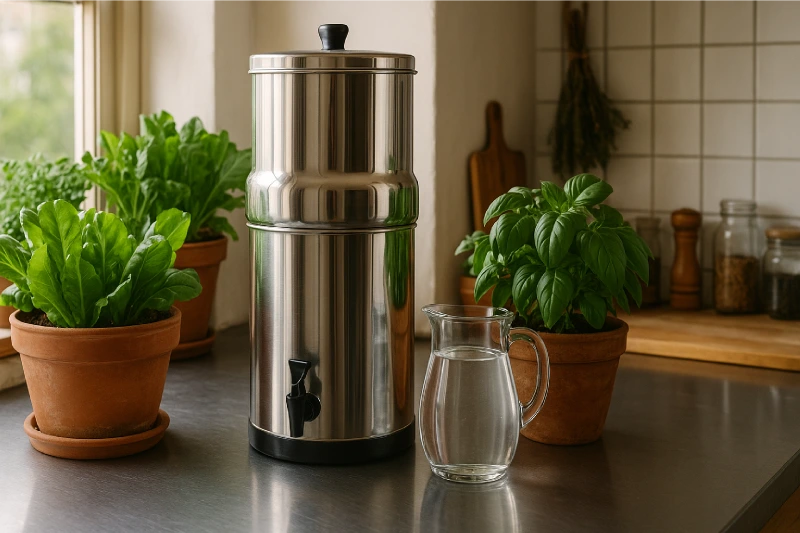
Growing vegetables organically indoors is more than a creative way to use limited space; it is a statement of intent. It shows that food production can return to the home in a pure, sustainable form, even without a garden. True organic cultivation depends on integrity — not just in what fertilisers or pest controls are used, but in how every input, container, and watering decision supports a living, self-contained ecosystem free from contamination. Indoor systems intensify this responsibility. There is no rainfall to wash away residue, no soil network to buffer mistakes. Each choice, from the water source to the pot material, defines the quality and purity of every harvest.
What “Organic” Really Means Indoors
To grow organically indoors is to recreate natural processes within boundaries. Outdoors, organic systems rely on soil organisms, compost, and crop rotation to renew fertility and control pests. Indoors, these relationships must be rebuilt in miniature — sustained not by chemicals but by microbial life, airflow, and balanced nutrition. Genuine organic practice avoids synthetic fertilisers, pesticides, and polymer-coated feeds, focusing instead on living soil and biological diversity. Because domestic growers cannot rely on certification, credibility comes from transparency. Knowing where materials come from, how they are processed, and whether they introduce pollutants like microplastics is what distinguishes an organic grower from an organic label.
Building the Right Soil Foundation
The living soil is the foundation of every organic system. Indoors, it needs to be both fertile and structurally stable. A balanced mix contains roughly half organic compost, one quarter coir or peat-free fibre, and one quarter aeration material such as perlite or pumice. This composition keeps moisture consistent while allowing oxygen to reach the root zone. Certified organic composts list their ingredients and carry approvals from reputable organisations such as the Soil Association or OMRI. Avoid mixes that promise “season-long feeding,” since these often include synthetic nitrogen pellets.
Home composting provides total control but demands care. Inputs should be raw vegetable trimmings, cardboard, and untreated garden waste only — no packaging, no glossy paper, no plastic film. Once matured, compost can be sieved through a fine mesh to remove debris and yield a crumbly, microbe-rich substrate. Incorporating worm castings further boosts biological activity and natural nutrient release. Because container soil does not benefit from natural leaching, the surface should be refreshed every six months with new compost to maintain structure and fertility.
Understanding and Avoiding Microplastic Contamination
Microplastics — particles under 5 mm in size — are a silent pollutant in many indoor systems. They originate from everyday materials and gradually infiltrate soil, water, and even plant tissues. Recognising how they enter and how to prevent them is now an essential part of serious organic practice.
Common Sources of Contamination
The most overlooked source is commercial compost made from municipal green waste that includes shredded packaging. Tap water also carries microscopic plastic fragments released from plumbing and filtration media. Plastic pots and trays slowly degrade under light and friction, releasing fine dust. Indoors, airborne textile fibres from clothing and furnishings settle onto moist soil and become embedded. Even organic liquid fertilisers stored in soft plastic bottles can leach polymer residues over time.
Behaviour in Soil
Once introduced, microplastics alter the physical and biological character of the growing medium. Fibres bind soil particles and disturb drainage; fragments adsorb metals and chemical residues; and nano-sized plastics can disrupt microbial colonies. Evidence shows that roots, particularly of lettuce and other fine-rooted greens, may absorb nano-scale plastics into their tissues. The impact is subtle but cumulative: slower growth, diminished flavour, and weaker plant resilience. Preventing introduction is therefore the only realistic strategy.
Choosing Containers That Protect Soil Integrity
In organic indoor gardening, the container is part of the ecosystem. Porous materials like terracotta and unglazed clay allow gentle evaporation, preventing stagnant moisture. Glazed ceramic and stainless steel are inert and easy to clean. Food-grade polypropylene (PP5) or HDPE (2) plastics are stable options when lighter weight is necessary. Recycled or low-grade plastics should be avoided; under light and heat, they release micro-fragments invisible to the eye.
Drainage holes are essential, but skip synthetic mesh liners. Instead, use a piece of natural jute or coarse coconut fibre to keep soil from escaping while allowing air circulation. Before each new planting, scrub containers with warm water and mild soap, rinse thoroughly, and let them dry naturally. Avoid chlorine or disinfectants that harm beneficial microbes.
Ensuring Water Purity
Water is often the largest unexamined source of contamination. The average litre of municipal water contains several microplastic particles, along with chlorine, fluoride, and trace pharmaceuticals. These residues interfere with soil biology and nutrient balance.
The first level of protection is simple aeration: fill watering cans and leave them uncovered for 24 hours to let chlorine evaporate. A more complete solution is filtration. Activated-carbon units attached to the tap remove chlorine, volatile compounds, and many microplastic fibres down to 0.2 microns. Gravity filters such as Berkey or British Berkefeld units perform similarly without plumbing changes.
For growers pursuing maximum purity, a reverse-osmosis (RO) system removes virtually all dissolved contaminants, including microplastics and heavy metals. Because RO water is mineral-free, blend it with 20 percent filtered tap water or add trace minerals via organic seaweed extract to maintain nutrient balance. Always store water in glass or stainless-steel containers rather than plastic jugs.
Lighting That Respects the Organic Principle
Artificial lighting is indispensable for year-round indoor production. The organic goal is to provide natural energy without off-gassing plastics or unnecessary heat. Full-spectrum LED grow lights with aluminium housings meet these criteria. They produce the correct wavelengths for photosynthesis while using minimal electricity and releasing negligible heat. Avoid fixtures made from brittle plastic casings that degrade over time.
Position lights 20–30 centimetres above foliage and maintain 12–16 hours of light per day. Clean lenses monthly to prevent dust accumulation. Leafy greens thrive under blue-dominant light (400–500 nm), while fruiting plants prefer additional red spectrum (600–700 nm). Using timers ensures consistent cycles that mimic natural daylight.
Choosing Vegetables for Organic Indoor Success
Compact, fast-maturing crops adapt best to container life. Lettuce, spinach, rocket, and kale produce abundantly under moderate light and regular cutting. Cherry tomatoes, dwarf peppers, and small chilli varieties excel with stronger illumination and steady warmth. Herbs such as basil, parsley, chives, coriander, and dill complement vegetables both nutritionally and biologically, sharing moisture and deterring pests.
Root vegetables like radishes and baby carrots need deeper, loose soil to form evenly. The secret is to balance root depths within each container so that species occupy different zones — shallow herbs above deeper vegetable roots. This efficient layering allows high productivity in small pots while maintaining soil aeration.
Feeding the Soil Organically
Organic feeding nourishes soil life first, not plants directly. A biologically active medium transforms compost and natural residues into plant-available nutrients gradually and safely. The cornerstone is compost tea — a simple infusion made by steeping a handful of mature compost or worm castings in water for 24 hours. Strain and apply as a light drench every two weeks. This introduces beneficial microbes and trace minerals.
Liquid seaweed or kelp extract strengthens cell walls and adds micronutrients but should be used sparingly. Rotate between nitrogen-rich feeds for greens and potassium-rich ones for fruiting plants. Avoid all polymer-coated slow-release pellets, even those marketed as organic-based, as the coatings are synthetic and contribute to microplastic buildup.
Pest and Disease Control Without Chemicals
A balanced indoor ecosystem rarely suffers major infestations. Still, vigilance prevents problems. Healthy airflow from a small oscillating fan keeps foliage dry and discourages fungal growth. For aphids or whitefly, a light mist of diluted castile soap suffocates pests without harming plants. Neem oil or pyrethrum, while organic in origin, should be used only as a targeted treatment because they can disrupt beneficial insect cycles.
When mildew appears, adjust humidity and airflow rather than resorting to sprays. A mild baking-soda solution (one teaspoon per litre of water) alters leaf-surface pH and suppresses fungal spread naturally. Predatory mites and nematodes are now commercially available and compatible with indoor use, providing living pest control without chemicals.
Reducing Microplastics Through Material Choices
The simplest way to eliminate microplastics is to stop introducing them. Replace plastic seed trays with biodegradable fibre pots or small terracotta modules. Use metal watering cans instead of plastic ones. Replace nylon plant ties with jute or hemp twine. For hydroponic setups, select BPA-free reservoirs and silicone tubing, flushing them periodically to prevent biofilm accumulation. Every substitution reduces the long-term particle load in the growing environment.
During maintenance, vacuum around plants using a HEPA-filter vacuum to collect airborne fibres. Wipe surfaces with a damp cloth instead of dusting, which merely redistributes particles. Keeping the area clean not only prevents contamination but also reduces pest attraction.
Managing Air and Humidity
Indoor air quality directly affects plant health. Microplastic fibres and volatile compounds accumulate in stagnant air, undermining microbial activity. Regularly open windows for natural ventilation or install a small HEPA purifier near the growing area. Ideal humidity ranges between 50 and 60 percent. Below this, leaves desiccate; above it, fungal growth thrives. Grouping plants together and placing shallow trays of water nearby stabilises local humidity without misting, which can spread disease.
Avoid scented candles, aerosol sprays, or chemical cleaners near the growing space. Their residues settle on leaves and soil, disrupting the fragile biological equilibrium that true organic systems depend on.
Recycling Nutrients Organically
Closing the nutrient loop ensures that indoor growing remains sustainable. Worm bins and bokashi systems convert kitchen waste into rich fertiliser without odour. Worm castings can be blended into soil or used to brew compost tea, while bokashi fermentation adds beneficial bacteria. Even a small under-sink system can produce enough compost to feed multiple pots throughout the year. Each addition of home-produced organic matter strengthens the soil’s microbiome and reduces reliance on imported materials.
Flushing and Rejuvenating Soil
Despite careful inputs, fine residues and salts gradually accumulate. Every few months, flush containers with filtered water until runoff is clear. This leaches soluble waste and keeps the root zone oxygenated. After harvest cycles, remove spent roots but leave fine root hairs to decompose, enriching the medium. Mix in a layer of fresh compost and trace minerals such as rock dust or wood ash before replanting. Sterilisation by heat or chemicals destroys the living community; renewal through feeding preserves it.
The Role of Water Filtration in Long-Term Purity
Water filtration deserves special emphasis because it is both preventive and restorative. Carbon filters are effective, but reverse-osmosis units provide unmatched clarity. For small systems, tabletop gravity filters deliver excellent results without waste water. Clean filters monthly and replace cartridges as recommended — a neglected filter can become a contamination source. Always inspect internal housings for biofilm, and rinse with vinegar if necessary before reassembling.
Filtered rainwater, collected in food-safe containers, is another option. It’s naturally soft and free of salts, but ensure lids are secure to keep airborne debris out. The purer the water, the healthier the microbial population and the stronger the plants’ natural immunity.
Monitoring and Continuous Improvement
Organic gardening is an evolving craft. Every system accumulates history — residues, microbes, and lessons. Conduct simple inspections: examine soil texture, check roots for healthy white growth, note any odour changes. Keep a small magnifier to study leaf undersides and soil surfaces. Documenting light duration, watering volume, and feed frequency builds knowledge specific to the indoor microclimate. This disciplined observation is what elevates a hobbyist into an expert grower.
The Broader Environmental Dimension
Organic indoor growing has implications beyond personal food security. Every avoided chemical and every eliminated plastic contributes to cleaner waterways and reduced landfill. Using durable materials — clay, metal, wood, glass — keeps plastic waste from re-entering the cycle. Teaching these habits through visible examples — countertop gardens, kitchen windows lined with mixed pots, small compost systems — creates ripples of influence that extend far beyond one household.
From System to Sanctuary
A well-run organic indoor garden becomes more than a production system; it becomes a living micro-ecosystem that balances light, air, and soil life. The subtle scent of basil, the fine fuzz on tomato stems, the quiet hum of microbial activity in damp compost — these are signals of vitality that can’t be replicated with synthetic feeds or sterile media. The absence of chemical odour and the presence of natural aroma mark the difference between artificial greenery and true cultivation.
Each harvest reinforces the connection between clean practice and pure food. Crisp lettuce grown under filtered water, basil rich with aromatic oils untouched by plastic residue, tomatoes with complex sweetness from balanced microbial soil — these are tangible results of unseen discipline.
Connecting Back to the Small Kitchen Garden Ethos
Every element of this approach reflects the broader Small Kitchen Garden philosophy — to grow food honestly, beautifully, and responsibly, no matter the scale. Indoors, where space and air are shared with daily life, that responsibility deepens. Choosing clean soil, filtered water, natural containers, and living fertilisers transforms a few pots on a shelf into a self-sustaining ecosystem. It is a quiet, persistent act of stewardship: producing food that nourishes without compromise, proving that genuine organic cultivation can thrive even within four walls.
Further Reading
Environmental Science & Technology — study on how microplastics alter soil structure and affect plant performance in spring onions: https://pubs.acs.org/doi/10.1021/acs.est.9b01339
PMC/Frontiers 2023 review on microplastic stress in plants, covering how MPs enter root tissues and affect growth: https://pmc.ncbi.nlm.nih.gov/articles/PMC10452891/
ScienceDirect comprehensive review covering water as a contamination source: https://www.sciencedirect.com/science/article/pii/S0147651324014088
Springer Nature 2024 study on microplastics affecting soil carbon and microbial communities: https://link.springer.com/article/10.1007/s44246-024-00124-1